Porous Lane Permeable Pavement
Details
- Product Type Products
- Regions Australian Capital Territory, New South Wales, Northern Territory, Queensland, South Australia, Tasmania, Victoria, Western Australia
Contact
- Bradley Camgoz Posselt 0399990745
- Website Visit
- Email sales@porouslane.com.au
ISupplier
- Company Name Porous Lane
- ISupplier Profile Visit
About
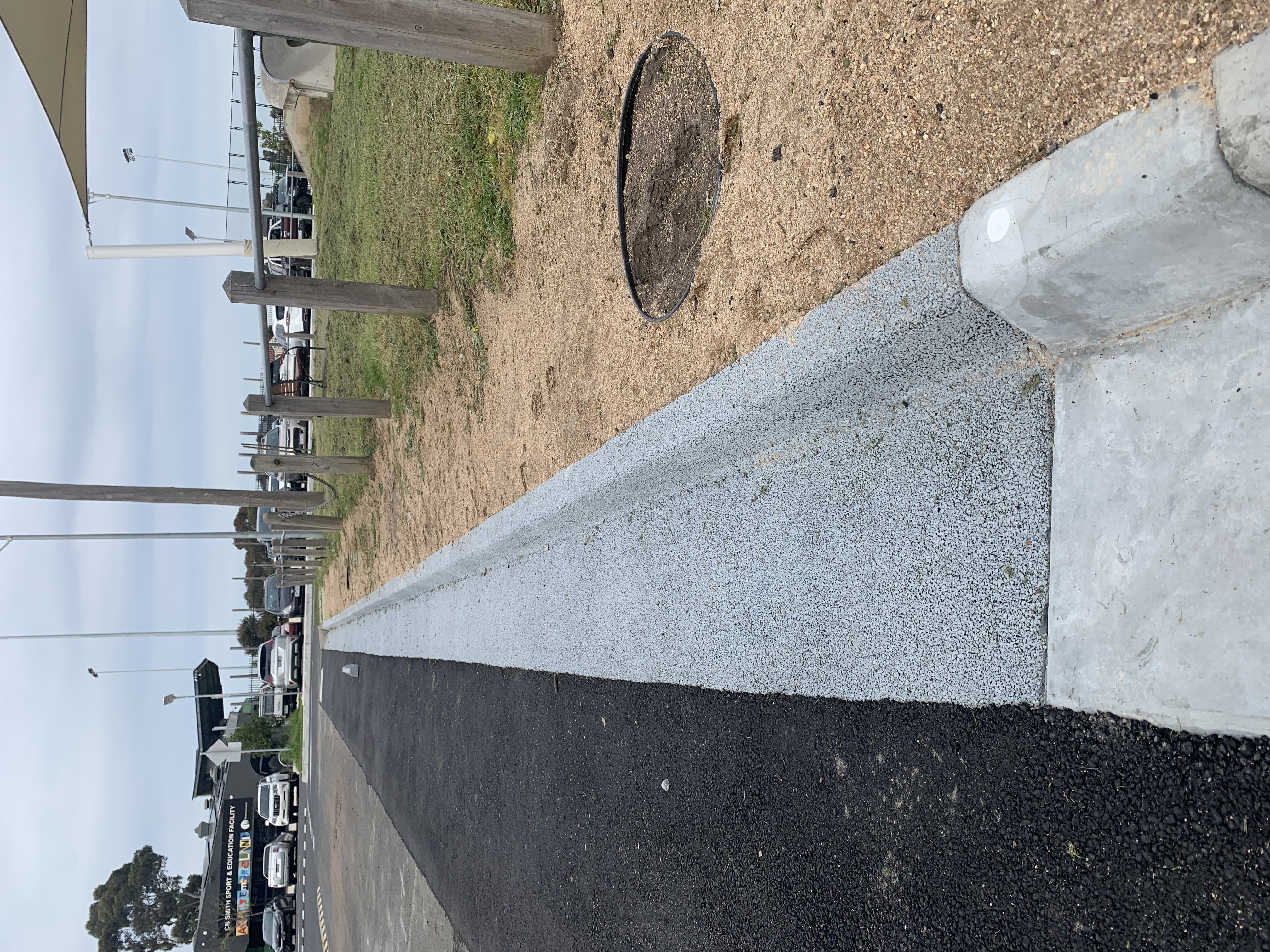
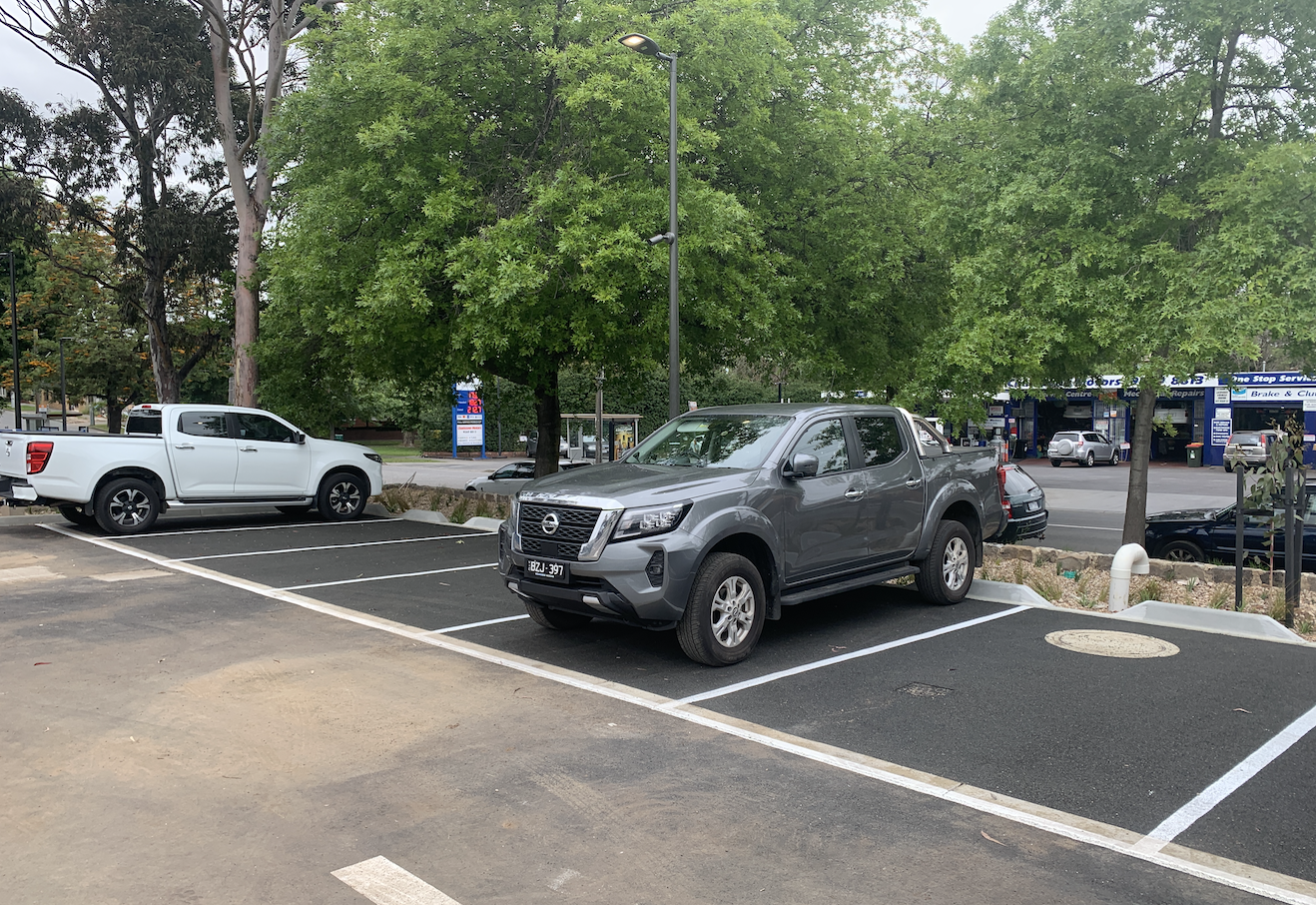
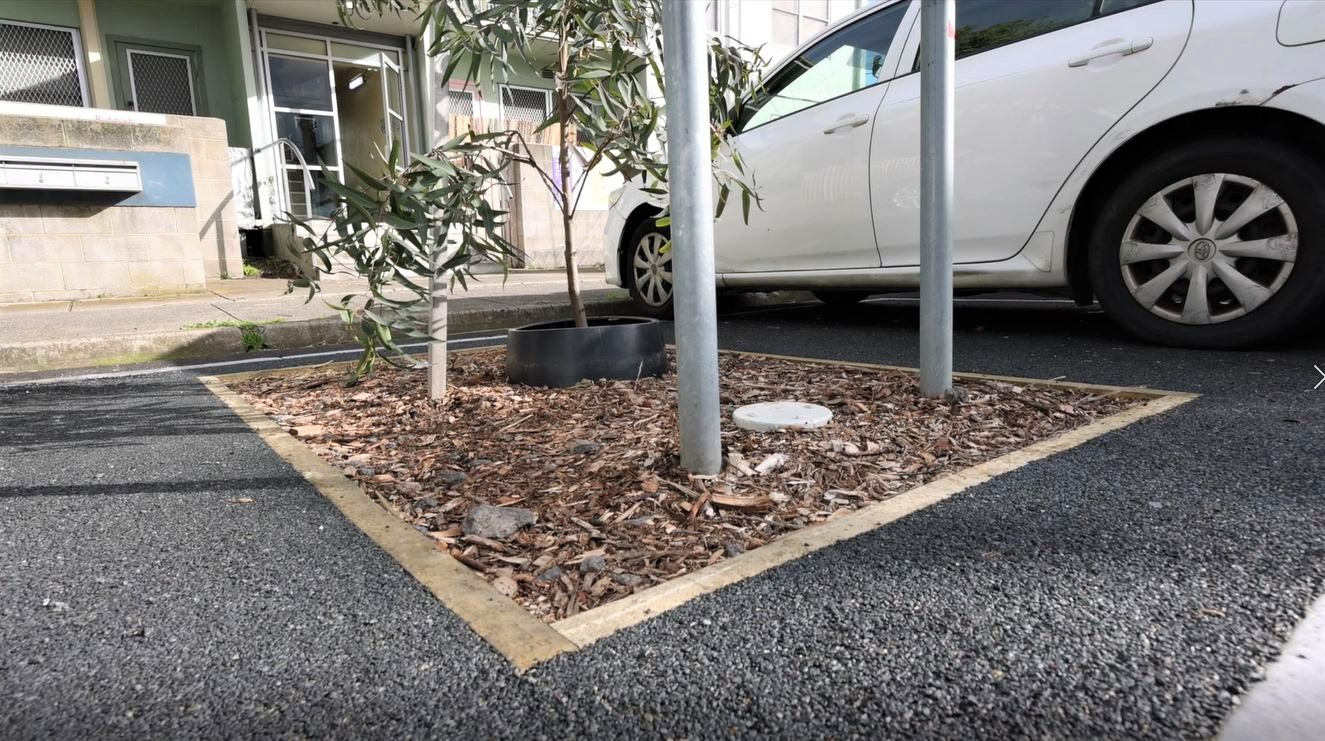
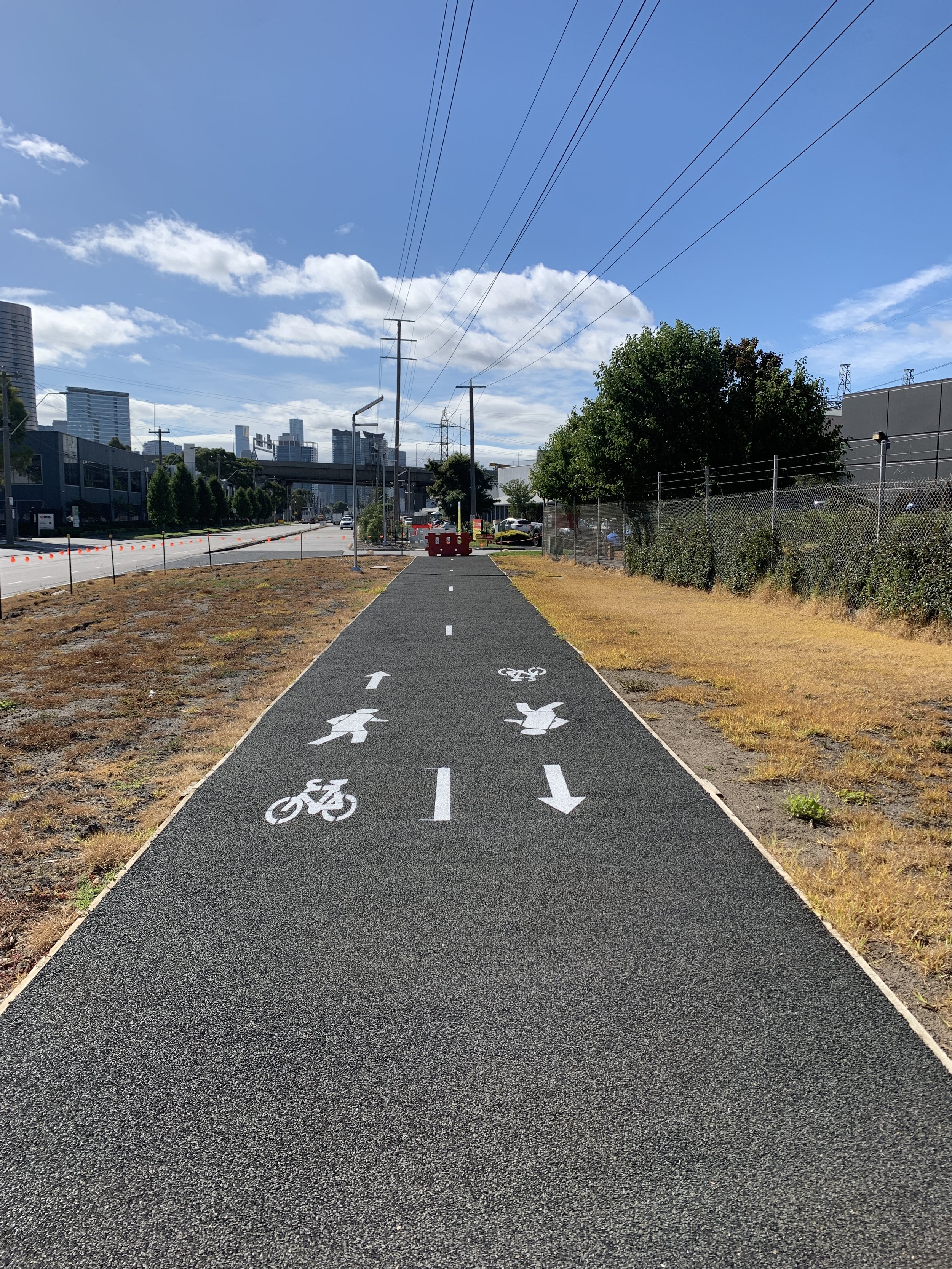
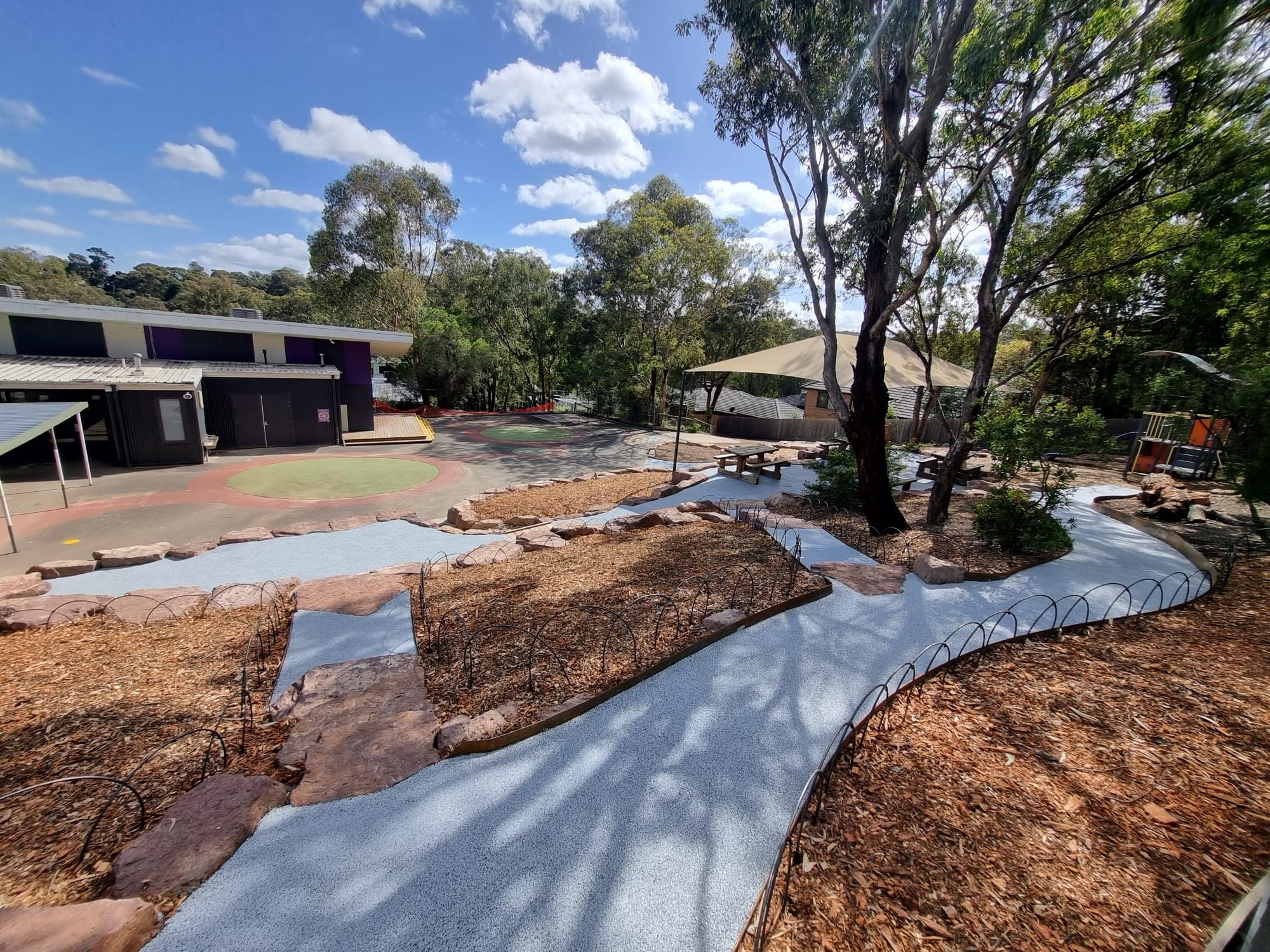
Porous Lane is a high-performance permeable pavement made from up to 50% post-consumer tyre aggregate that can provide multi-faceted sustainability benefits to projects. The material is trafficable by vehicles (with higher compressive strength than asphalt) and has an infiltration rate 8-10x higher than the ASCE guideline (3-3.5 cm/s). Porous Lane is suitable for: – carparks – driveways – footpaths – shared user paths – bike lanes – tree surrounds – nature strips – other paved areas


Sustainability Outcomes
Made from up to 50% post consumer tyre material Can significantly reduce runoff from hardstand areas Can be used to harvest stormwater for passive irrigation Treats stormwater by filtering nitrates, heavy metals and suspended solids Cooler than traditional impermeable materials of the same colour More tree friendly than traditional materials with less excavation required Highly resistant to cracking due to tree root movement or differential settlement Less embodied carbon than concrete or asphalt in nearly all applications Effective flood mitigation tool when applied at catchment scale
Applicable Credits
| IS v1.2 | Climate Change Adaptation (Cli)-2, Discharges to Air, Land and Water (Dis)-1, Innovation-1, Land (Lan)-2, Land (Lan)-4, Materials (Mat)-1, Materials (Mat)-2, Water (Wat)-1, Water (Wat)-1, Water (Wat)-2 |
| IS v2.1/IS v2.2 | Environmental Impacts (Env)-1, Innovation-1, Resilience (Res)-1, Water (Wat)-1 |
| Inn-1 (ISv1.2) | Innovation | Porous Lane permeable pavement can contribute to Innovation Challenge-8: Sustainable Supplier and iSupply. |
| Inn-1 (ISv2.1/ISv2.2) | Innovation | Porous Lane permeable pavement can contribute to Innovation Challenge-4: Sustainable Supplier and iSupply |
| Dis-1 (ISv1.2) | Receiving water quality | Porous Lane permeable pavement can reduce the volume of stormwater discharged from a project. It can also treat stormwater reducing the amount of nitrates, heavy metals and suspended solids present in water that has passed through the pavement. |
| Lan-4 (ISv1.2) | Flooding design | Porous Lane permeable pavement can mitigate local flooding through the use of subsurface storage cells. |
| Wat-2 (ISv1.2) | Replace potable water | Porous Lane Lane permeable pavement can provide passive irrigation to trees and other vegetation and in doing so reduce potable water use. |
| Env-1 (ISv2.1/ISv2.2) | Receiving Water Quality | Porous Lane permeable pavement can reduce the volume of stormwater discharged from a project. It can also treat stormwater reducing the amount of nitrates, heavy metals and suspended solids present in water that has passed through the pavement. |
| Wat-2 (ISv2.1/ISv2.2) | Appropriate Use of Water Sources | Porous Lane Lane permeable pavement can provide passive irrigation to trees and other vegetation and in doing so reduce potable water use. |
| Wat-1 (ISv1.2) | Avoiding Water Use | Porous Lane Lane permeable pavement can reduce water use through the harvesting of stormwater for passive irrigation or to be redirected to tanks for re-use |
| Cli-2 (ISv1.2) | Climate change risk assesment | Porous Lane Lane permeable pavement can reduce the risk of flooding in climate change related high-rainfall events through incorporating water storage capacity beneath the pavement |
| Lan-2 (ISv1.2) | Previous land use | Porous Lane Lane permeable pavement can require less excavation than traditional materials such as concrete or asphalt, potentially conserving soil resources. |
| Res-1 (ISv2.1/ISv2.2) | Resilience Planning | Porous Lane Lane permeable pavement can reduce the risk of flooding in climate change related high-rainfall events through incorporating water storage capacity beneath the pavement |
| Rso-6 (ISv2.1/ISv2.2) | Material Life Cycle Impact Measurement and Management | Porous Lane permeable pavement has a lower embodied carbon footprint than asphalt or concrete in nearly all applications and can contribute to achieving the Rso-6 credit |
| Mat-1 (ISv1.2) | Materials footprint measurement and reduction | Porous Lane permeable pavement has a lower embodied carbon footprint than asphalt or concrete in nearly all applications and can contribute to achieving the Mat-1 credit |
More from Porous Lane